
The future of transport: The drive for innovation and sustainability
The future of transport: The drive for innovation and sustainability
Tuesday, 5 November 2024
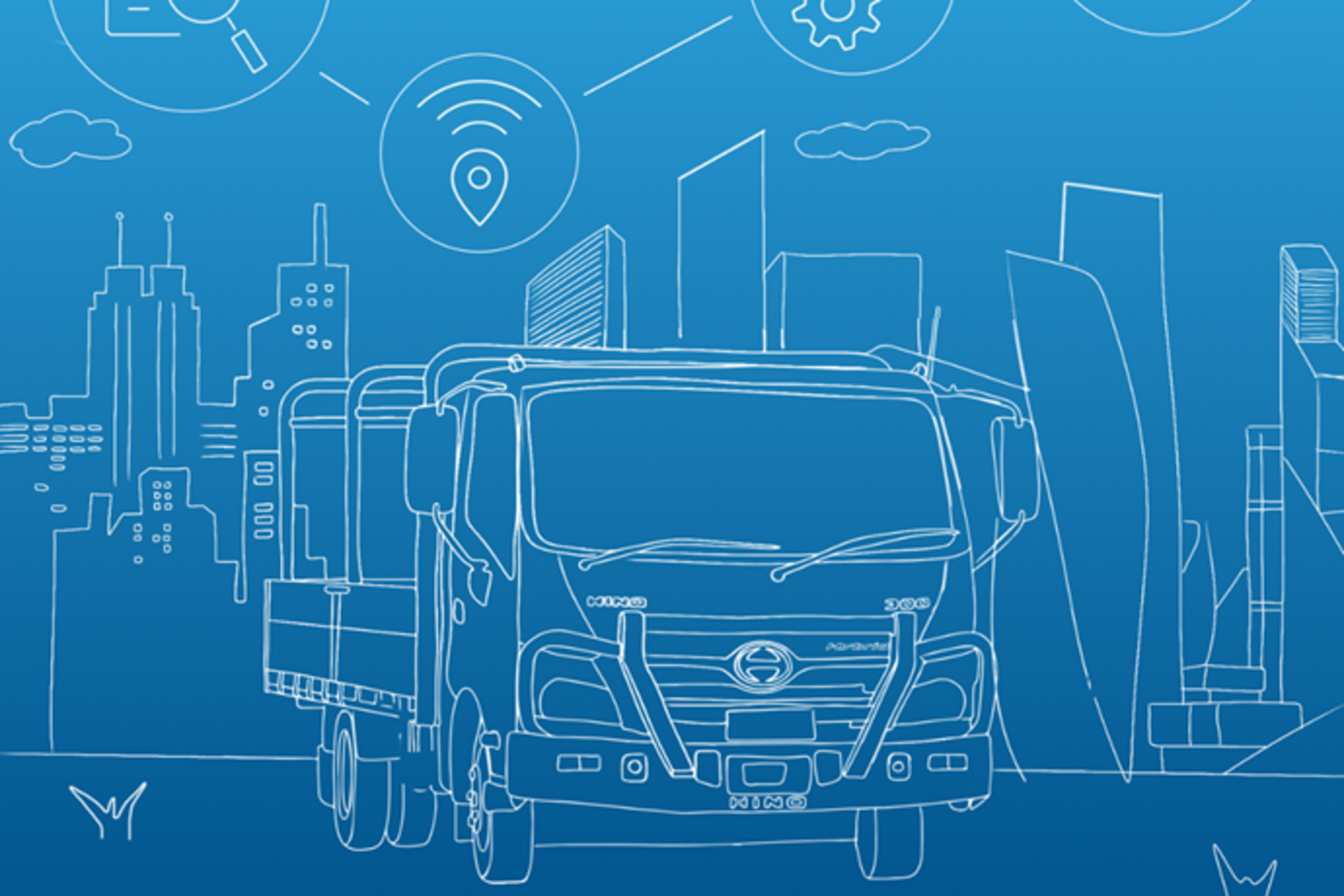
The transportation and logistics industry in Australia is advancing faster than ever before, driven by expectations for more efficient, sustainable solutions, and the rapid pace of technological innovation.
Governments, automakers, and tech companies are working together to push the boundaries of what’s possible. From self-driving vehicles to more sustainable logistics practices, there are several key forces fuelling these transformations, which are setting the stage for a more efficient, and environmentally conscious transport industry.
Advancements in technology
Evolving technologies are playing a major role, rapidly changing the future landscape of the transport industry. It’s these technologies that are already starting to see greater efficiencies and more sustainable practices in our transport systems.
Self-driving cars and trucks: These vehicles use sensors, cameras, and artificial intelligence to navigate roads without a driver. They promise to reduce traffic accidents and make transportation more efficient by optimising routes and reducing fuel consumption. However, there are still challenges such as safety regulations and handling all driving conditions. It may take some time before fully autonomous vehicles become a common sight.
- In Australia: Transport for NSW (TFNSW) has already implemented driverless trains with the launch of the Sydney Metro, and is investigating the possibilities of driverless ridesharing. Australia Post has been trialling autonomous delivery vehicles and Aurora Energy has worked on testing autonomous vehicles for logistics applications.
Electric and hybrid vehicles: Electric vehicles (EVs) run on electricity, emitting no exhaust fumes, while hybrids use both an engine and a battery, cutting down on fuel consumption. People are now are buying EVs and hybrids, thanks to government incentives and lower operating costs.
- In Australia: At Hino Australia, we are leading the charge in this space with our Hybrid Electric, helping to reduce emissions, and save on fuel and maintenance costs. We introduced the first Hybrid Electric truck in Australia in 2007 with TNT being the first to trial and roll them out across their fleet.
- The likes of Woolworths, Linfox and the Toll Group, are already making the change to EVs and Hybrid Electric vehicles across their fleets. Ikea Australia is also aiming to have all EV delivery vehicles by 2025 and optimising its supply chain to reduce emissions and improve energy efficiency in its warehouses.
Telematics: Telematics is the technology used to monitor a wide range of information on a vehicle or entire fleet. these technologies provide real-time data on vehicle performance, location, and fuel consumption, giving companies the ability to track and optimise their fleets.
- In Australia: At Hino Australia, we deliver a cutting-edge telematics system with Hino Connect. It’s helping businesses across the country to save on fuel costs, reduce maintenance costs and improve driver performance.
Sustainability
With the need to reduce carbon emissions, sustainability has also become one of the driving factors changing behaviours and practices across the transport industry.
Green logistics: This includes using fuel-efficient vehicles, planning delivery routes to save fuel, and cutting down waste. As more businesses go green, adopting these methods will be crucial to staying competitive.
Governments worldwide are pushing for cleaner transport through stricter emission standards and incentives for adopting green technology.
- In Australia: Our government is adopting Euro 6 as part of our updated Australian Design Rules; aiming to reduce harmful pollutants from vehicle exhausts. This shift is designed to bring Australia closer to European emission standards, and therefore promote cleaner vehicles. At Hino Australia, our 700 Series and 300 Series Hybrid Electric models meet Euro 6 standards, while our 500 Series Standard Cab is Euro 6-equivalent.
Supply chain innovations
Innovations in the supply chain are helping to create efficiencies and optimise operations across the board. From robotics to warehouse management software, companies are implementing a raft of measures that are helping to make operations run far more efficiently.
Smart warehousing: Smart warehousing uses automation and robotics to make storing and moving goods more efficient. Automated systems can pick and pack orders faster and with fewer mistakes than humans. This is especially important as e-commerce grows and the demand for quick deliveries increases..
- In Australia: Coles has recently opened a new 87,000 sqm Customer Fulfillment Centre (CFC) in NSW with over 700 bots and the ability to process more than 10,000 customer orders per day.
Urban mobility and infrastructure
While vehicles play a key role in the future of transportation, they are just part of the story. Creating smarter and more connected transport systems will help deliver greater travel efficiencies.
Smart cities: A smart city is a city that uses information and communication technologies to improve the way they operate. Smart transport systems can reduce traffic jams by using real-time data to manage public transport, optimise traffic signals, and guide drivers to less congested routes. Public transport is becoming smarter with technology, while private options like ridesharing are filling gaps in public services.
- In Australia: smart city initiatives are gaining momentum. Companies like Uber, Didi and Go Catch are already giving the public more transport options. Driverless trains, public WiFi hotspots, smart parking systems and all manner of environmental sensors are just the tip of the iceberg of initiatives already happening in Australia.
Challenges and opportunities
With the focus on creating smarter, cleaner, and more efficient systems, the future of transport certainly looks promising. While we are now progressing in leaps and bounds, there are still many challenges on the road ahead.
Outdated infrastructure such as ageing roads, bridges, and transport hubs will need to be upgraded to support new technologies like electric and self-driving vehicles.
As the transport sector evolves, so do the skills required to work within it. Technologies like autonomous vehicles, electric trucks, and smart logistics systems will demand a workforce that understands these innovations.
Despite these challenges, countless opportunities are emerging that are enabling us to unlock further potential with even greater outcomes. With the help of rapid advancements in technology, the constant changes are creating unimaginable possibilities for a smarter, greener, and more efficient industry.
